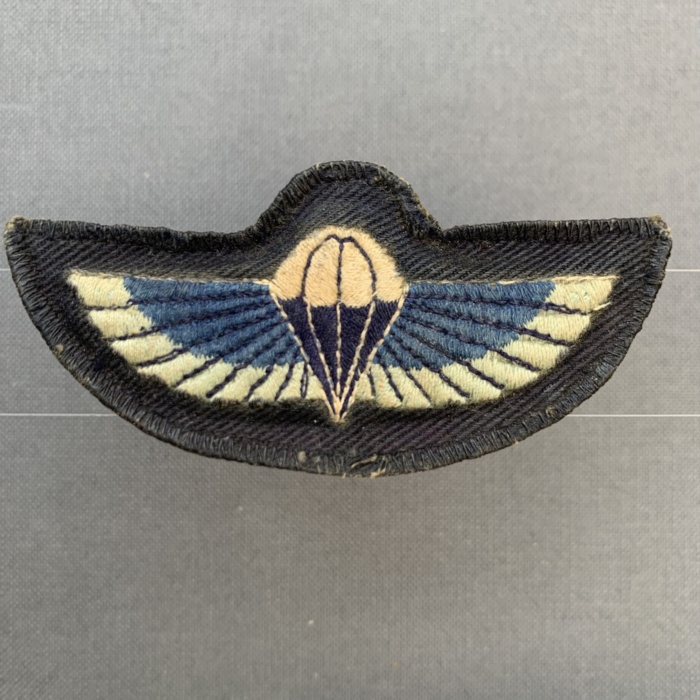
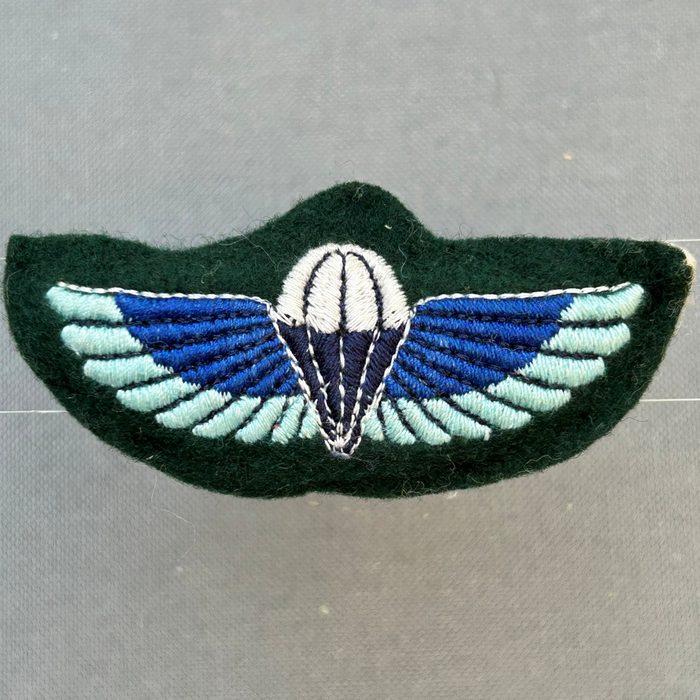
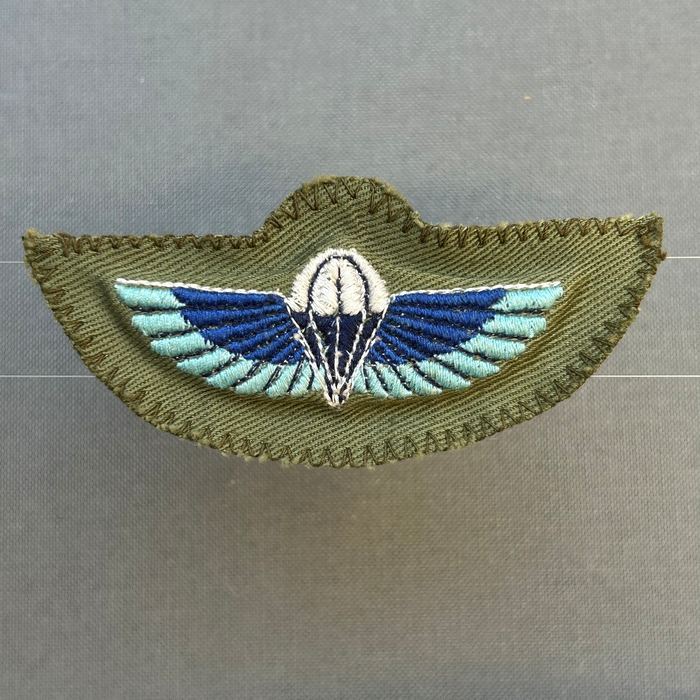
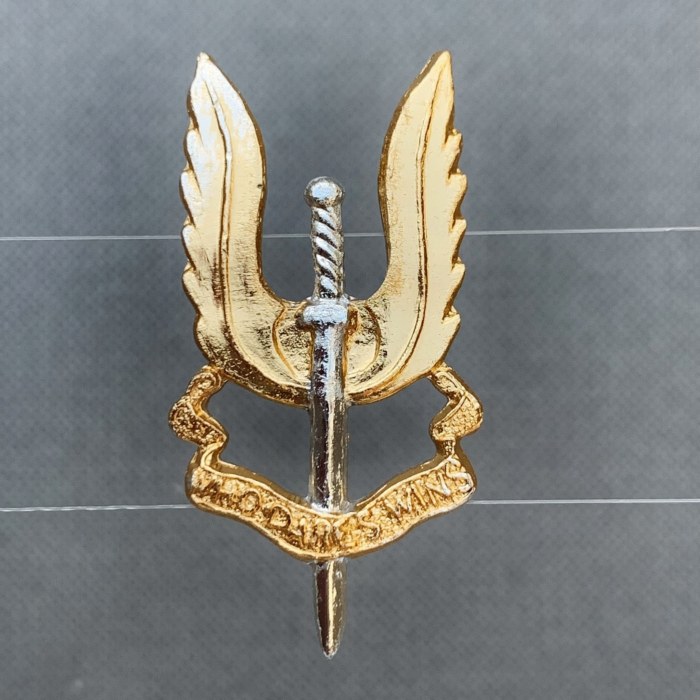
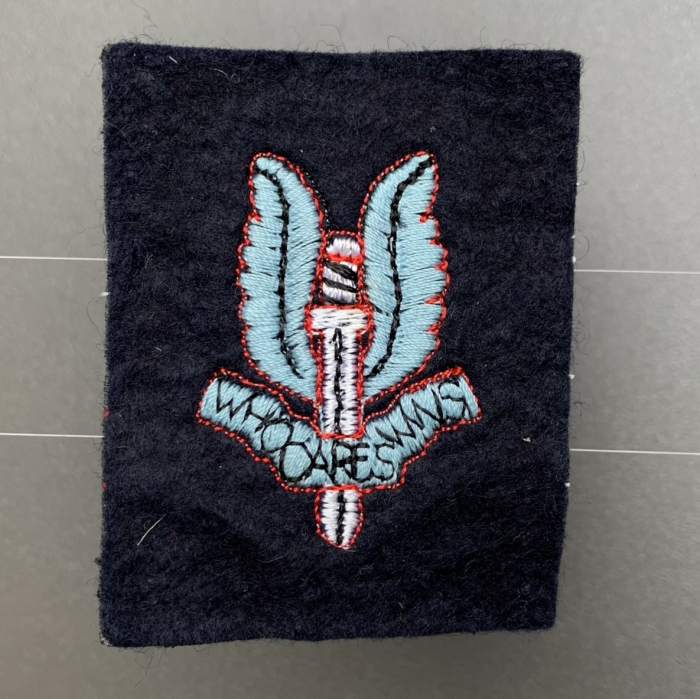
Rhodesia SAS Special Air Service parachute Work Dress Wing CO C394
$20.68
$34.54
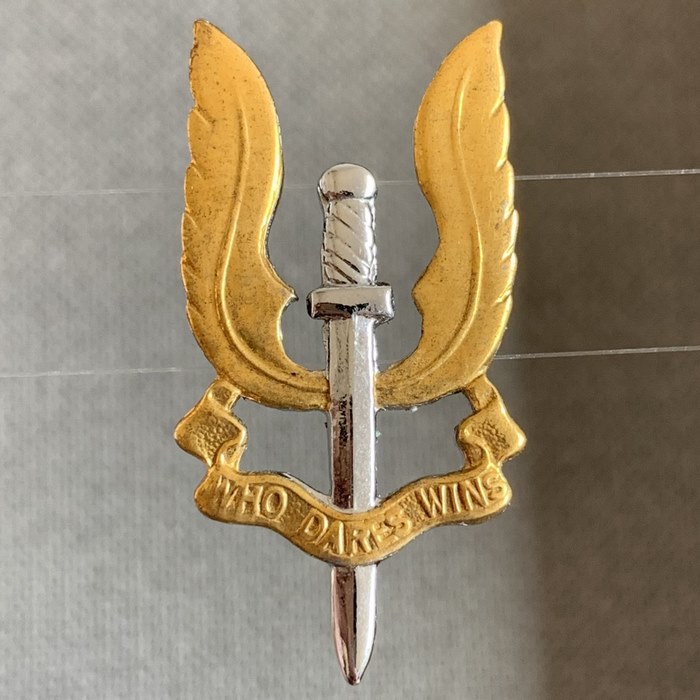
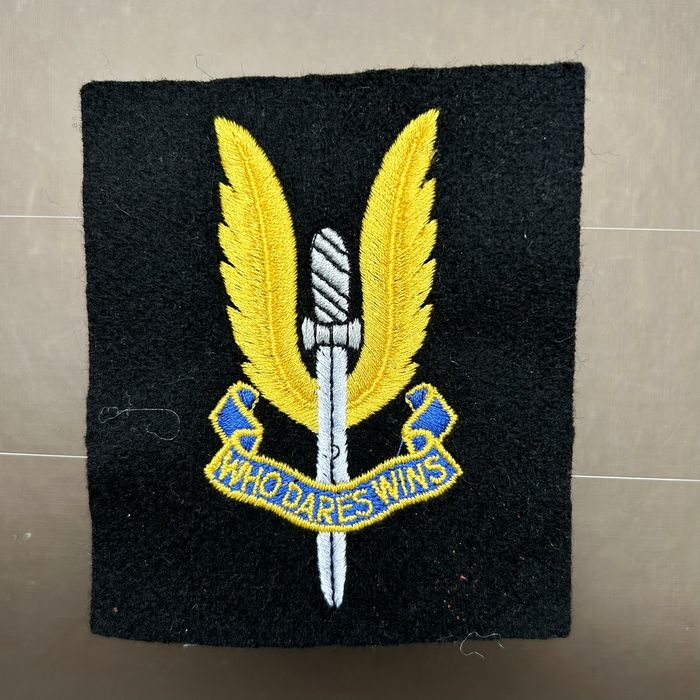
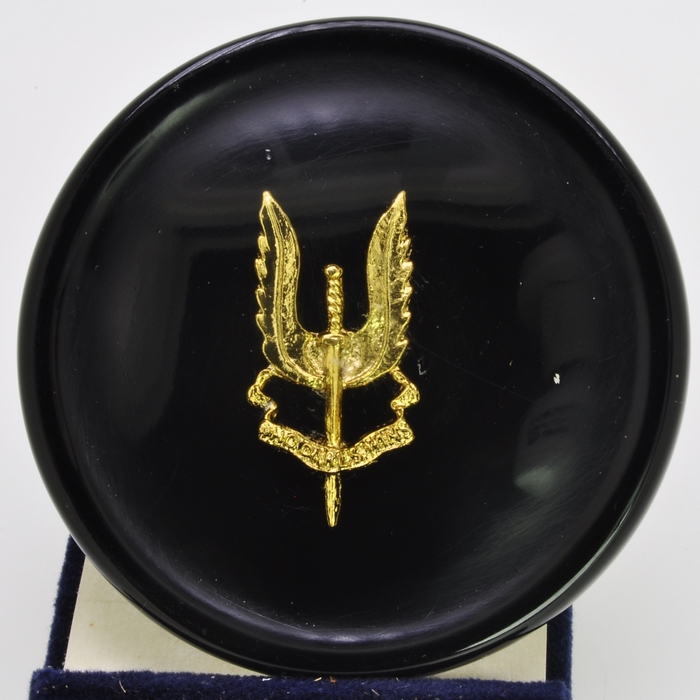
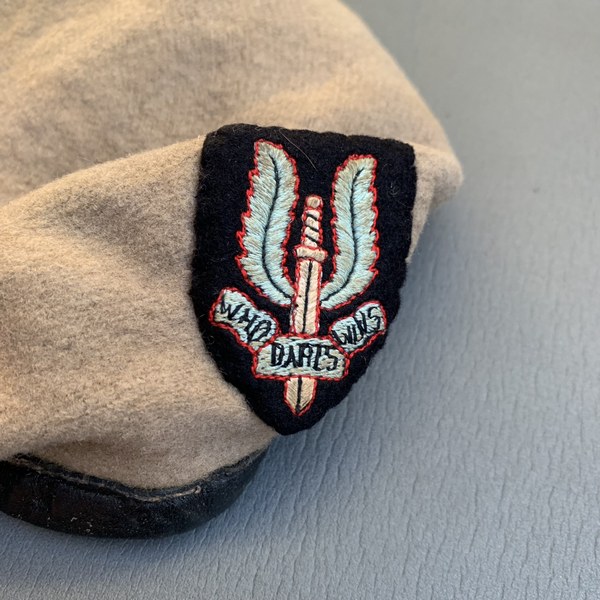
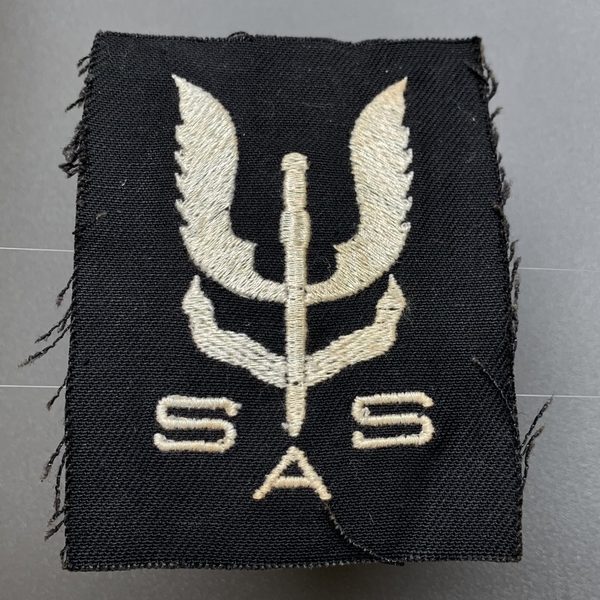
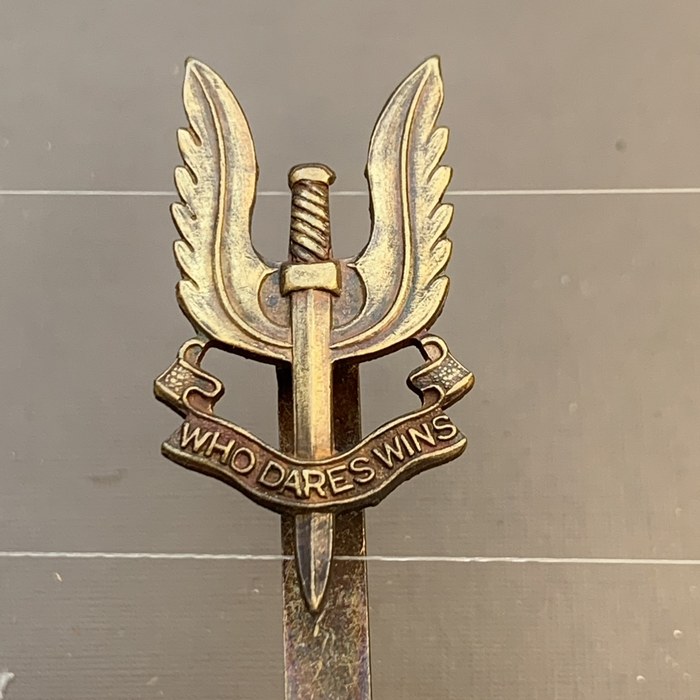
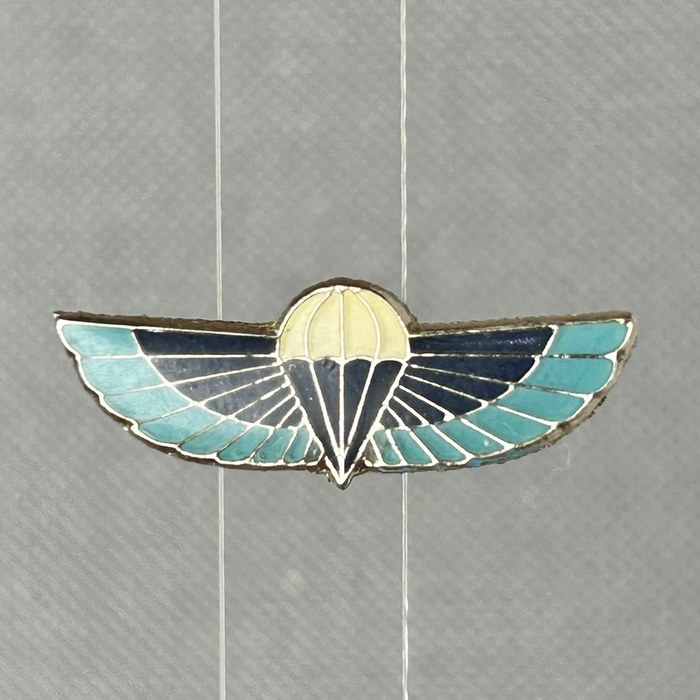
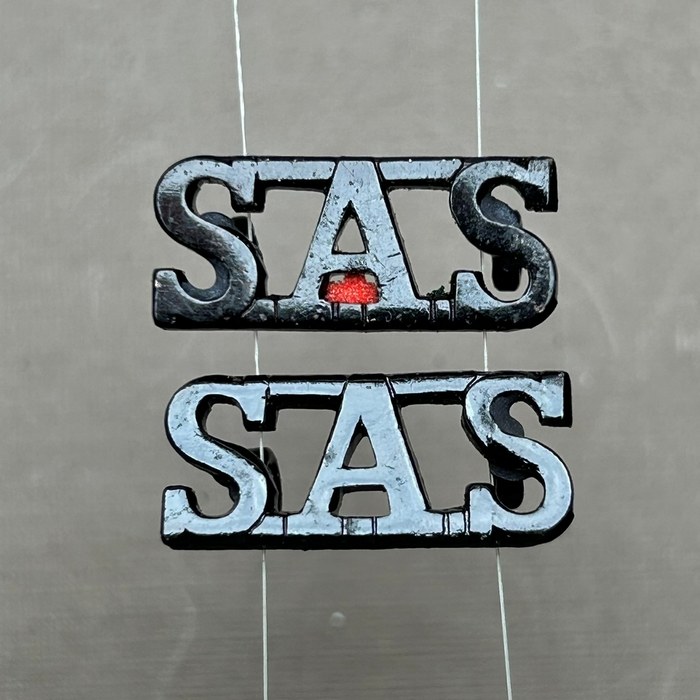
Description Rhodesia SAS Special Air Service parachute Work Dress Wing CO C394 Colin Owen: C394 Material: Cloth embroidered and padded Size: approx. 95 x 45 mm Scarce and original Rhodesian wing Box J-1 The Rhodesian Special Air Service (SAS), known for its elite status and highly skilled personnel, had a distinctive uniform that reflected both its operational needs and its connection to British SAS traditions. The work dress for Rhodesian SAS members, especially those involved with parachute operations, would have been designed for maximum functionality in both combat and specialized operations. Here’s a breakdown of what the Rhodesian SAS parachute work dress (including wing insignia) would likely have included: 1. SAS Combat Dress (Jungle Green or DPM) The standard combat dress for Rhodesian SAS members was the jungle green uniform, which was the primary operational dress for most of the Rhodesian military during the period. In later years, DPM (Disruptive Pattern Material) camouflage fatigues were introduced. The SAS might have worn this camouflage pattern during some operations to blend into different environments. The shirt would typically be a button-down, with two chest pockets, and the trousers would match in color and material. Both pieces were durable, lightweight, and designed for flexibility in combat situations. 2. SAS Beret The Rhodesian SAS members were known for wearing a sand or beige beret, which was one of the distinguishing features of the SAS. The beret would have the SAS cap badge prominently displayed on the front. The SAS cap badge would typically be the well-known “winged dagger” insignia, symbolizing airborne capability and elite status. 3. Parachute Wings Insignia Members of the Rhodesian SAS who had completed parachute training would wear the parachute wings insignia. This would often be embroidered on the chest, above the left pocket. The parachute wings badge typically included a parachute with wings extending outward, representing a qualified parachutist. These wings would signify not just parachute training but also specialized skills in airborne operations, crucial for the SAS’s expertise in behind-the-lines missions and rapid deployment.